For decades, "rest and ice" was the standard prescription for injuries. Modern sports medicine has completely reversed that thinking, and active physical therapy heals you dramatically faster.
Ask someone what to do after spraining an ankle or straining their back and they'll almost certainly say "rest it." It's intuitive advice passed down through generations. But modern sports medicine and physical therapy research tells a very different story, and the implications for your recovery are significant.
The Problem With Prolonged Rest
When you stop moving after an injury, several harmful processes begin almost immediately. Muscles begin to atrophy at a rate of 1–3% per day with complete immobilization. Connective tissue becomes stiffer as collagen cross-links form haphazardly rather than along lines of stress. Circulation decreases, slowing the delivery of healing nutrients and removal of inflammatory byproducts.
- Muscle atrophy begins within 24 hours of immobilization
- Joint stiffness and scar tissue formation accelerate with inactivity
- Proprioception (balance and position sense) deteriorates, increasing re-injury risk
- Pain sensitivity can actually increase with prolonged rest (central sensitization)
- Psychological deconditioning: fear of movement can outlast the physical injury
What the Research Shows About Active Recovery
A comprehensive 2021 systematic review in the British Journal of Sports Medicine found that active physical therapy produced superior outcomes compared to passive rest for nearly every musculoskeletal injury type, including faster return to function, lower recurrence rates, and greater patient-reported satisfaction.
For low back pain specifically, the most common musculoskeletal complaint worldwide, staying active and engaging in physical therapy produces outcomes 40-60% better than rest alone at the 3-month and 12-month marks.
The New Standard
The POLICE principle has replaced RICE in modern sports medicine: Protect (briefly), Optimal Loading, Ice, Compression, Elevation. "Optimal loading" means controlled, progressive movement, not rest.
When Should You Rest?
There are situations where rest is genuinely necessary, including acute fractures, severe ligament ruptures, post-surgical recovery in the first 24-48 hours, and certain acute inflammatory conditions. The key distinction is between complete rest (harmful for most injuries) and relative rest with active therapy (the standard of care). A physical therapist helps you find exactly the right level of loading for your specific injury at each stage of healing.
The Physical Therapist's Role in Active Recovery
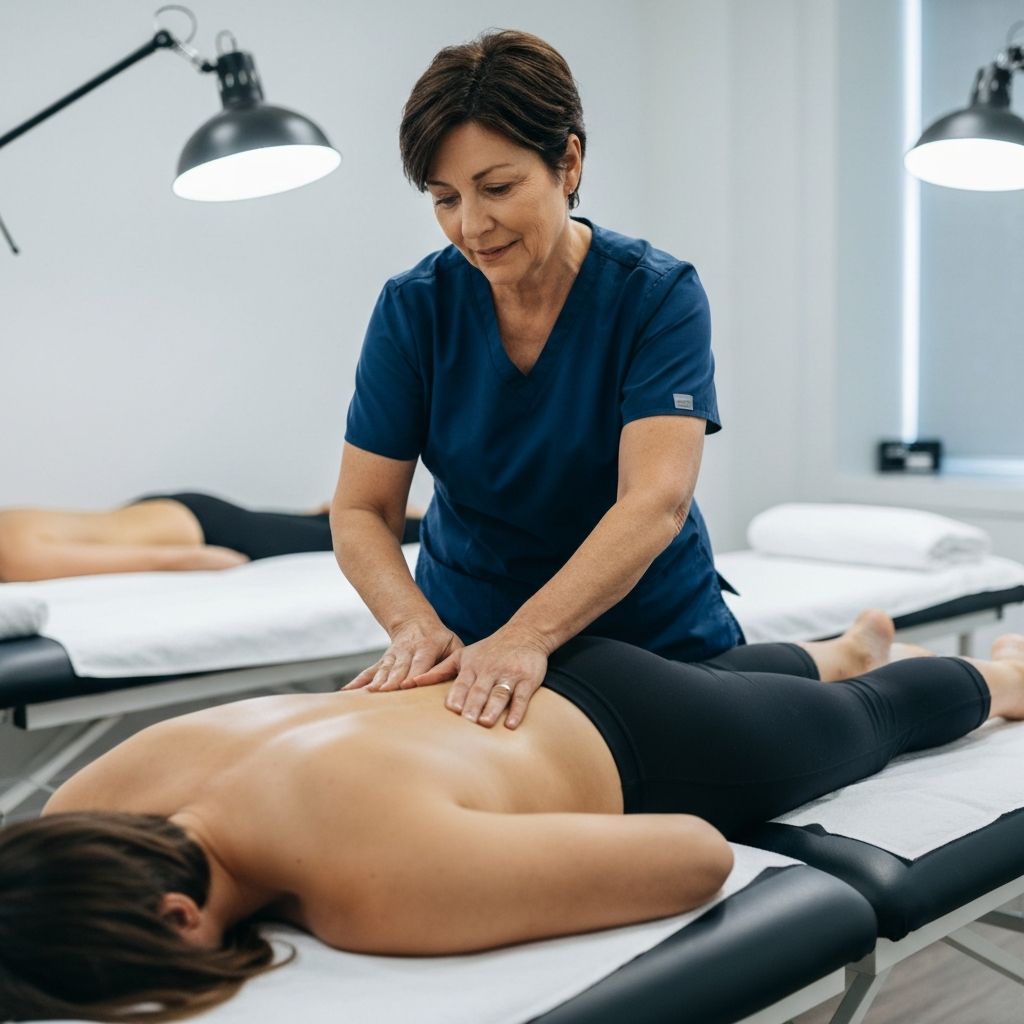
A skilled physical therapist does three things that passive rest cannot. First, they identify exactly which tissues are injured and apply precise therapeutic loads that stimulate healing without causing harm. Second, they restore movement quality, not just mobility, ensuring you move correctly rather than compensating in ways that create new problems. Third, they progress your program systematically so you rebuild full strength and function rather than stopping at "pain free."
Don't wait it out. Get moving with expert physical therapy. Same-day appointments available.